

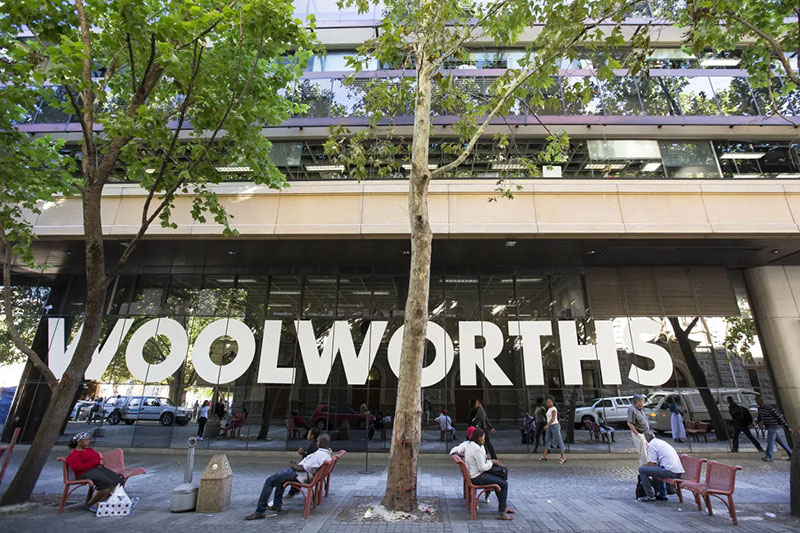
In contrast to the challenges in Australia, Woolworths’ South African food business continues to deliver robust growth and has become the undisputed star of the group’s portfolio. The company announced plans to accelerate capital expenditure in the food division, with investments earmarked for supply chain upgrades, new store openings, and technology-driven enhancements to its fresh and convenience food offering.
Woolworths Food has carved out a distinctive niche in the South African market, known for its premium-quality private-label products, innovative prepared meals, and strong emphasis on freshness, sustainability, and provenance. The division has consistently outpaced the broader South African grocery market in like-for-like sales growth, winning share from competitors by appealing to middle- and upper-income consumers who prioritise quality over price.
The new investment programme will focus on several key areas. First, the company plans to expand its store footprint, particularly in convenience-format locations and suburban nodes where foot traffic is growing. Second, it will upgrade distribution infrastructure to improve cold-chain logistics, reduce wastage, and shorten the time from farm to shelf. Third, Woolworths intends to enhance its digital capabilities, including online grocery fulfilment and data analytics to better understand and serve customer preferences.
A Tale of Two Markets
The contrasting fortunes of Woolworths’ Australian and South African businesses underscore the strategic complexity facing the group. For years, analysts have questioned whether the company’s dual-hemisphere model creates sufficient synergy to justify the management bandwidth and capital allocation it demands. The latest update is likely to intensify calls from some investors for a more decisive strategic review of the Australian assets.
Woolworths’ leadership has pushed back against suggestions of an outright exit from Australia, arguing that the brands retain strong equity and that the turnaround still has room to deliver results as macroeconomic conditions normalise. However, the group has acknowledged that it will take a more disciplined approach to capital allocation, directing a greater share of investment toward the South African food business where returns on capital are highest and the competitive moat is deepest.
Market Reaction and Outlook
The profit warning sent Woolworths’ share price lower on the Johannesburg Stock Exchange as investors absorbed the downbeat Australian outlook. However, the reaction was tempered by optimism around the food investment thesis. Several sell-side analysts noted that the South African food division alone could justify a significant portion of the group’s current market capitalisation and that the accelerated investment should further strengthen its competitive position.
Looking ahead, the market will be watching closely for signs that Australian consumer conditions are bottoming out and that Woolworths’ restructuring efforts at David Jones and Country Road are gaining traction. In South Africa, the focus will be on execution—whether the food division can maintain its premium positioning and growth trajectory while absorbing elevated capital spending. For Woolworths Holdings, the path forward is clear: protect and nurture the crown jewel in Johannesburg while stabilising the struggling outpost in Sydney.