

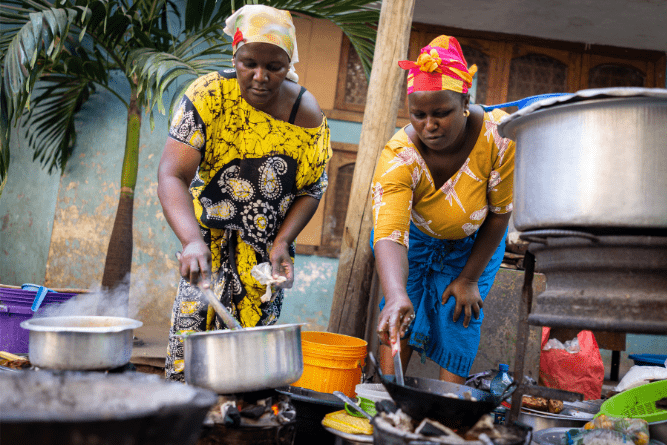
African indigenous foods—many of which have been eaten for centuries—may play a key role in reducing inflammation and helping manage type 2 diabetes, according to recent research reviewing dozens of scientific studies on traditional African diets.
Researchers analyzing 46 scientific studies conducted between 2010 and 2023 found that several traditional African foods contain bioactive compounds that can reduce oxidative stress and inflammation, two biological processes strongly linked to the development of type 2 diabetes.
The findings suggest that strengthening and promoting traditional diets across the continent could support better public health outcomes, particularly as diabetes rates continue to rise in many African countries.
Why Inflammation Matters in Diabetes
Type 2 diabetes is closely associated with chronic inflammation and oxidative stress—a condition in which the body produces more harmful oxygen molecules than it can neutralize with natural antioxidants.
This imbalance can disrupt normal cellular processes and damage tissues, contributing to insulin resistance and metabolic disease. According to researchers, many African indigenous foods contain phenolic compounds, antioxidants, and fiber, which help counter these harmful processes and may reduce the severity or risk of diabetes.
These foods are often classified as functional foods, meaning they provide health benefits beyond basic nutrition.
Key Foods in the Traditional African Diet
The traditional African diet typically includes a diverse mix of cereals, legumes, fruits, vegetables, dairy products, poultry, and edible insects, while generally containing relatively low amounts of red meat.
Many of these foods are rich in nutrients and plant compounds that may reduce inflammation and improve metabolic health.
Examples include:
1. Indigenous leafy vegetables
Vegetables such as amaranth, nightshade, and okra leaves are widely eaten in traditional African cuisines and are rich in vitamins, minerals, and antioxidants.
In southern Africa, a group of leafy greens known as morogo (African spinach) provides vitamin A, vitamin C, protein, and minerals, and studies suggest these plants may help lower the risk of chronic diseases including type 2 diabetes.
2. Legumes and pulses
Foods such as cowpeas and beans are staple protein sources in many African diets. They contain fiber and phytochemicals that can help regulate blood sugar and reduce inflammation.
3. Indigenous grains and cereals
Traditional grains such as millet, sorghum, and maize are high in fiber and slow-digesting carbohydrates, which can help maintain stable blood glucose levels.
4. Traditional vegetables and medicinal plants
Plants like fluted pumpkin (Telfairia occidentalis) are widely used as vegetables and in traditional medicine and contain nutrients that support overall health.
Other plants traditionally used across Africa have also been linked to diabetes management in ethnomedicine.
The Shift Away From Traditional Diets
Despite their health benefits, many indigenous foods are increasingly underutilized and sometimes stigmatized as “food for poor people.”
At the same time, many communities have shifted toward Western-style diets high in processed foods, refined sugars, salt, and unhealthy fats.
This dietary transition has been associated with a growing burden of non-communicable diseases such as obesity, cardiovascular disease, and diabetes.
Supporting evidence from another study showed that switching from a traditional African diet to a Western diet increased inflammation, while returning to traditional foods reduced inflammatory markers and improved metabolic health.
A Case for Reviving Indigenous Foods
Researchers say the findings highlight the importance of reviving traditional African food systems as part of broader health and nutrition strategies.
Promoting indigenous foods could help:
-
Improve dietary diversity
-
Reduce inflammation-related diseases
-
Support sustainable agriculture
-
Preserve cultural food heritage
The researchers suggest that developing traditional therapeutic meals based on African foods may help people living with diabetes manage their condition more effectively.
✅ Conclusion
African indigenous foods—rich in fiber, antioxidants, and plant bioactive compounds—offer significant potential in reducing inflammation and supporting diabetes management. As modern diets increasingly replace traditional eating patterns, experts argue that rediscovering and promoting these heritage foods could play a crucial role in tackling the growing diabetes epidemic across Africa.